You closed. You have the keys. And somewhere between signing the last document and actually moving your couch in, a new question shows up: Now what?
This is normal to wonder about. Buying a home takes over your life for weeks, and then the process just… ends. There’s no manual that arrives with the keys. Here’s what actually matters in the first 30 days — and what you can safely ignore.
Week One: The Essentials
A few things are worth doing right away, before the boxes take over.
Change the locks. You have no idea how many copies of the old keys exist — past tenants, contractors, a neighbor who used to water plants. A locksmith or a trip to the hardware store for new deadbolts is cheap insurance. Do the garage code too, if there is one.
Confirm utilities are in your name. Power, gas, and water should transfer at or near closing, but don’t assume — call and confirm. In Salt Lake City, power is supplied by Rocky Mountain Power and gas by Dominion Energy. Water and trash are usually billed by your city (Salt Lake City Public Utilities, or your specific municipality if you’re outside SLC proper).
Set up your internet. This one always takes longer than people expect, especially if the home needs a new line run. Schedule it the day you get keys, not the day before you plan to work from home.
Locate the shutoffs. Find your main water shutoff, your electrical panel, and your gas shutoff before you need them in an emergency. Walk the house with your phone and take photos of the panel labels, the water heater, and the furnace model numbers. You’ll want these later.

The Mail Will Get Weird — That’s Normal
Within a week or two of closing, you’ll start getting mail that looks official and isn’t. This catches almost every new homeowner off guard.
You’ll likely see offers for a “certified copy of your deed” for $70–$100. Your deed is already recorded with the county for free, and you can get a copy yourself for a few dollars. These mailers aren’t illegal, but they’re not necessary either — recycle them.
You’ll also get a wave of home warranty pitches, solar consultations, security system offers, and moving-related solicitations. Public property records make new buyers an easy target list. None of this requires action. Skim it, toss what doesn’t apply, and don’t feel pressure to decide anything from a mailer.
The one piece of mail that actually matters: your Primary Residential Exemption paperwork, if your county doesn’t have it on file yet. In Utah, owner-occupied primary residences receive a 45% reduction in the home’s taxable value for property tax purposes. If the previous owner didn’t live there, or if the county’s records lag, you may need to file a form with your county assessor confirming this is your primary residence. It’s worth a quick call to your county assessor’s office in your first month to make sure this is set up correctly — it’s a meaningful difference in your tax bill.
Small Repairs Will Turn Up — Expect Them
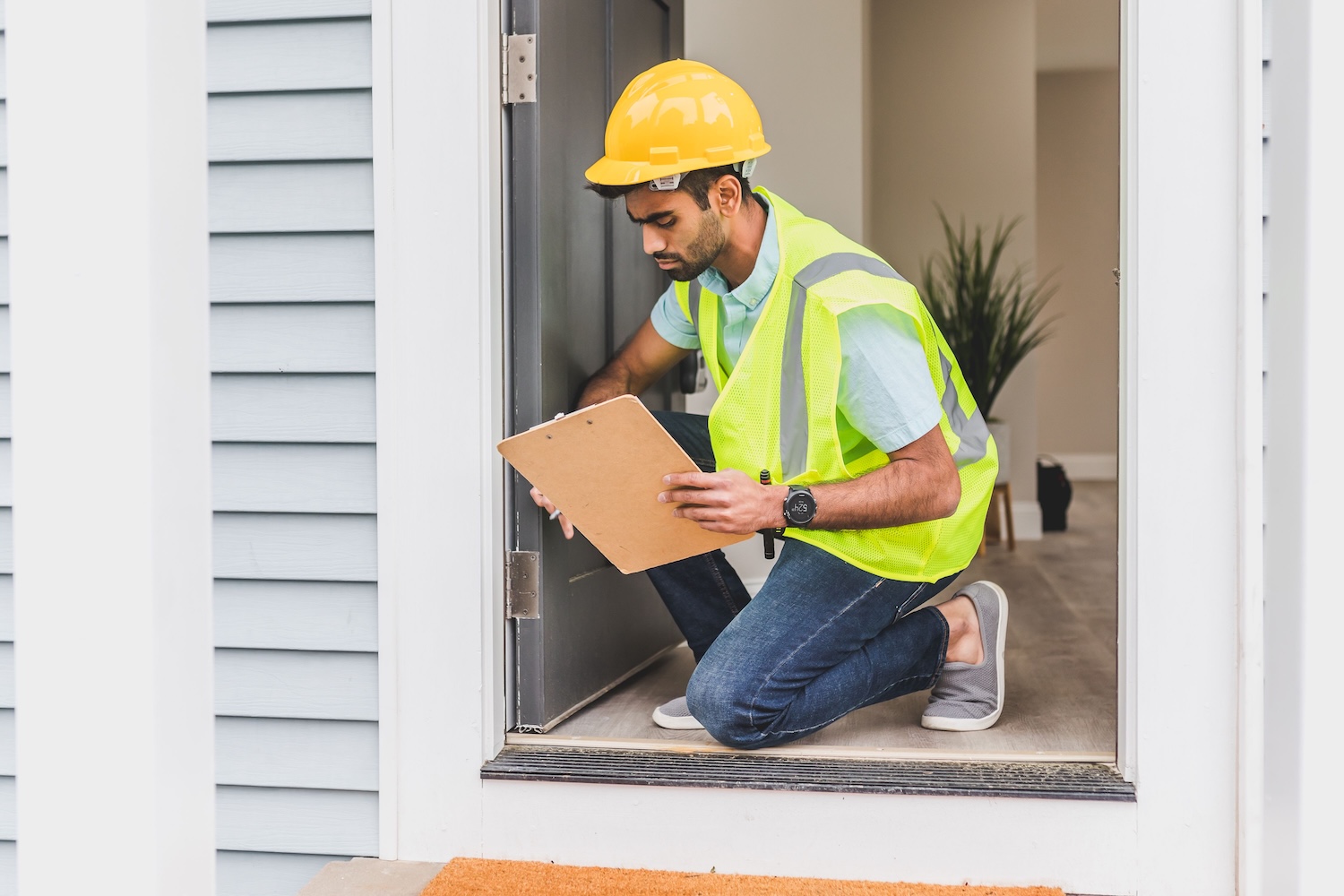
No home, even a newly inspected one, is problem-free once you’re actually living in it. A drawer sticks. A GFCI outlet won’t reset. The upstairs toilet runs a little. This is normal and doesn’t mean anything went wrong with your purchase.
Keep a running list instead of tackling everything immediately. Group small fixes together and knock them out over a weekend or with a single contractor visit, rather than panicking over each one as it comes up.
A few things worth checking specifically in your first month:
Test every smoke and carbon monoxide detector, and replace batteries even if they seem fine — you don’t know how long they’ve been in there. Run every faucet and check under every sink for slow drips. Replace the HVAC filter, even if the seller says they just did it. And if you’re moving in during winter, locate your furnace’s filter size and buy a few in advance so you’re not hunting for one at 9 p.m. in January.
If something significant turns up — not a sticky drawer, but a real system issue — check whether it’s covered under your home warranty (if you have one) or call your agent to ask for a contractor referral.
Get to Know the House Itself
This part gets skipped in the rush of moving, but it pays off. Spend an hour walking the property with no other task in mind.
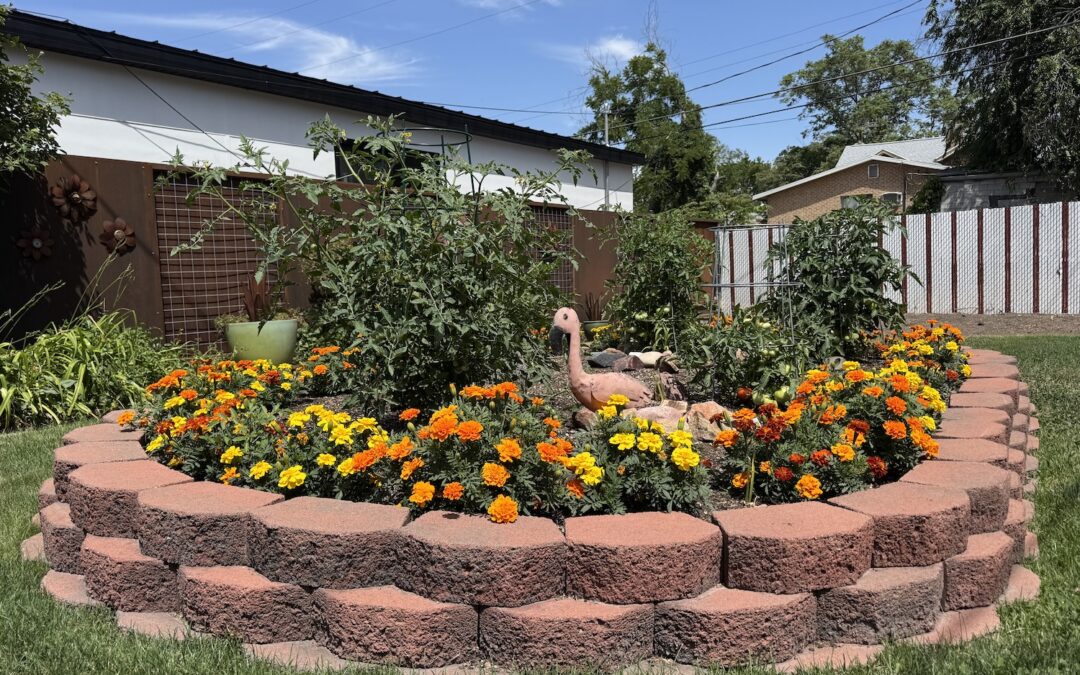
Figure out where the sun hits at different times of day — it affects everything from where you’ll want blinds to where plants will actually grow. Locate the sprinkler controller and figure out the zones before your first watering season. Find the exterior hose bibs and check whether they’re the freeze-proof kind, especially important with Utah winters. Note where the sewer cleanout is, in case you ever need a plumber to access it.
None of this is urgent. But doing it in the first few weeks, while you’re already paying close attention to the house, is much easier than trying to figure it out later when there’s an actual problem.
The Short Version
Change the locks and confirm that your utilities have been transferred. Expect a stack of junk mail that looks more official than it is — the only piece worth chasing down is your Primary Residential Exemption. Keep a running list of small repairs instead of reacting to each one. And spend some unhurried time getting familiar with the house: shutoffs, filters, sprinklers, and how the light moves through it.
The first 30 days are about settling in, not fixing everything at once. Most of what feels urgent right now will feel routine by month two.