What Secondary Water Is
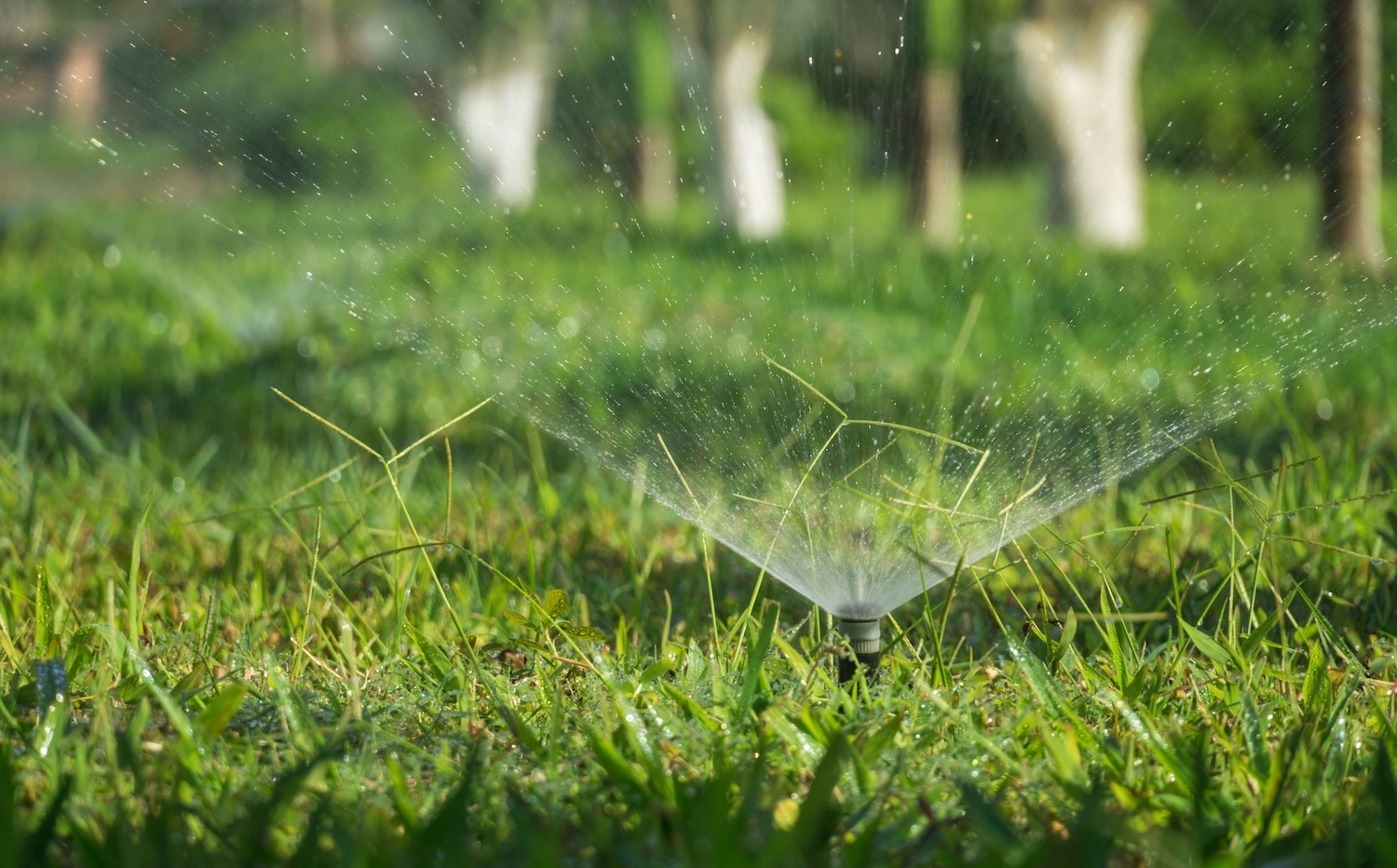
Secondary water, also called pressurized irrigation, is untreated water used only for outdoor watering, lawns, gardens, and flower beds. It runs through its own separate pipe system, entirely apart from the culinary water that comes out of your kitchen tap. It’s pulled from lakes, reservoirs, rivers, and canals rather than treated at a municipal plant, so it’s not safe to drink, and it should never be connected to indoor plumbing, filled into a kiddie pool, or used for a slip-and-slide.
The upside is cost. Secondary water is typically much cheaper per gallon than culinary water, which is why homes on a secondary system can irrigate a full yard without the sting you’d feel running a sprinkler system off treated water. Along the Wasatch Front, a large share of homes with real lawns are on secondary systems for exactly this reason.
Why This Matters When You’re Buying
Ask whether a property uses secondary water before you write an offer. This isn’t a minor detail; it affects your irrigation costs for as long as you own the home.
It also raises a legal wrinkle: in Utah, secondary water often comes attached to water shares, and those shares can be treated as personal property separate from the house itself. A seller can, in some cases, sell the home and keep the water shares, leaving you with a yard and no cheap way to water it. Make sure your purchase contract explicitly states whether the shares convey with the property. Your real estate agent and title company should confirm this in writing; don’t assume it’s included just because the yard has sprinklers.
Secondary water isn’t run by the city’s regular water department; it comes from a separate irrigation company, canal company, or special service district. To find out who serves a given address, ask the seller, check with the county, or call the city’s public utilities office; most can point you to the right provider.
Once you know the provider, ask about annual fees or assessments, whether the connection is currently metered, and whether there are any unpaid dues attached to the shares. Fees vary widely by district, but they’re almost always lower than what you’d pay to irrigate off culinary water.
Turn-On and Shutoff Dates
Secondary water is seasonal. Most systems along the Wasatch Front turn on in mid-April and shut off in mid-October, though exact dates shift year to year based on water availability and weather. Salt Lake City, for example, typically doesn’t start filling its system before May 1, and it takes about two weeks to reach full pressure. If you’re closing on a home in early spring, don’t be surprised if the sprinklers stay dry for a few extra weeks; check your provider’s calendar rather than assuming a fixed date.
Maintaining the System
Before shutoff each fall, have your sprinkler system blown out with compressed air. Water left sitting in the lines over winter can freeze and crack pipes and heads; a cheap fifteen-minute service call that saves an expensive spring repair. Walk your yard once the system is on in spring and check for broken heads, geysers, or zones that don’t pressurize; small leaks waste a surprising amount of water and money over a season.
And again: secondary water is untreated. Keep it away from anything you or your kids might drink or play in.
Here’s the timely part. Utah passed House Bill 242 in 2022, and it requires every pressurized secondary water connection in the state to be metered by January 1, 2030. Historically, most secondary systems had no meters at all; homeowners paid a flat seasonal fee regardless of how much water they used. That’s ending.
The state set aside $250 million to help water districts cover installation costs, so most homeowners shouldn’t see a direct bill for the meter itself. But metering does change the underlying math: districts that have already installed meters elsewhere in Utah have seen water use drop 25 to 40 percent, largely because people water less once they can see, and pay for, exactly what they use. Expect your provider to shift toward usage-based rates as its meters go in, rather than the flat fee model many systems have run for decades.
If you’re buying a home now, ask your provider where they are in the rollout. If you already own one, it’s worth checking your district’s timeline so a new rate structure doesn’t catch you off guard in a few years.
Salt Lake City and You
SLCHomes.com is a great resource to learn more about the city. SLC Homes helps those considering relocating to SLC find a home or condo. Check out our relocation info page to learn more about how we can assist you in this exciting next phase of your life!