Salt Lake’s average first freeze lands around October 20, based on 1991 to 2020 climate data. Some years it comes earlier, and it rarely gives a warning. If you want to winterize your home in Utah without scrambling, the next couple of weeks are your window.
Think of this as a first freeze checklist for Utah homeowners. Most fall home maintenance in Salt Lake City can wait a few weeks, but these seven jobs matter most right before a hard freeze. Most take under an hour. A couple are worth booking now, because everyone else will be calling the same companies the week the forecast dips.
- Schedule your sprinkler blowout
This one comes first because it’s the most expensive thing to skip. Water left in irrigation lines expands when it freezes, and it can crack PVC pipe, split poly lines, and damage valves. Salt Lake City Public Utilities recommends winterizing your sprinkler system before the first frost.
The basic sequence is to shut off the water supply to the system, open the drain valves (including the ones in your valve boxes), and clear the lines with compressed air. Salt Lake City’s winterizing guide says homeowners can usually handle the draining themselves, but a licensed contractor should do the compressed-air blowout. Too much pressure or the wrong sequence can damage the equipment you’re trying to protect.
- Winterize your backflow preventer
The backflow preventer is the brass assembly, usually near the house or in a box in the yard, that keeps irrigation water from flowing back into the drinking supply. It’s also one of the first parts of the system to freeze, and homeowners often forget it.
Salt Lake City’s guidance for the device is straightforward:
- Shut off the water to the irrigation system first.
- Open the test cocks (usually four) about a quarter turn to let the water drain.
- Set the ball valves on either side to a 45-degree angle, halfway between open and closed.
- If you want extra protection, wrap the assembly with towels or blankets, or take it off and store it indoors.
Check your manufacturer’s manual too, since specific models can differ. If your sprinkler company is already coming out for the blowout, ask them to handle the backflow device in the same visit.
- Disconnect and drain your hoses
Pull every garden hose off every spigot, drain it, and coil it up in the garage or shed. A hose left attached traps water in the line, and that water can freeze back into the faucet and the pipe behind it. Do this even if your faucets are labeled frost-free. A frost-free spigot only works as designed when the hose isn’t holding water against it.
- Protect your exterior faucets
Once the hoses are off, find the shutoff valve for each outdoor spigot, usually inside the house in a basement, crawl space, or utility room. Turn it off, then open the outdoor faucet to drain the remaining water. Add an insulated foam cover over each spigot for extra protection. They’re cheap and take a minute to install.
A burst pipe from a frozen spigot often doesn’t show itself until spring, when you turn the water back on and find it running inside a wall. Ten minutes now avoids that.
- Clean your gutters and downspouts
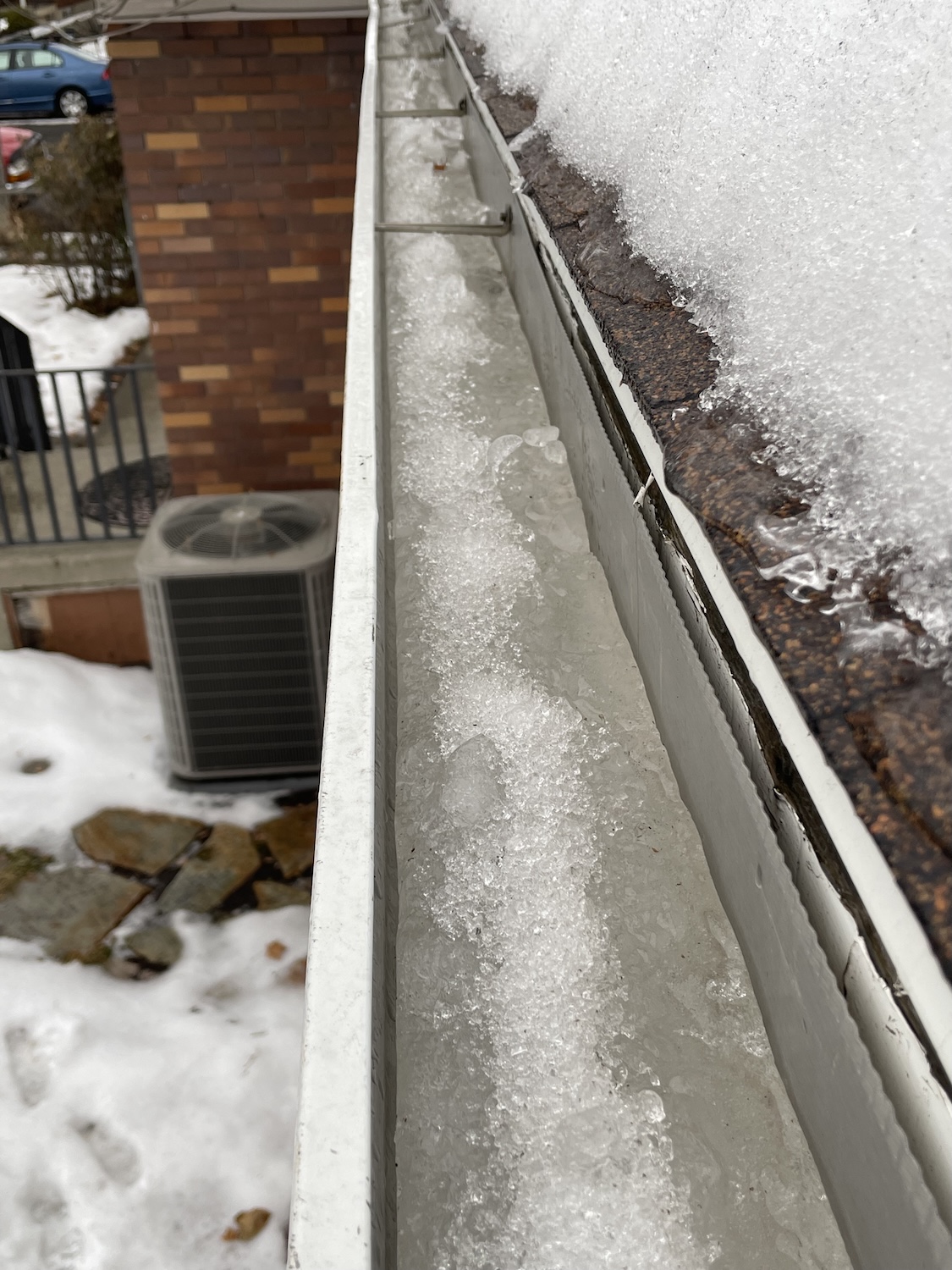
Wait until most of the leaves are down, then clear the gutters. Salt Lake has a lot of mature trees, and a gutter packed with wet leaves holds water that freezes and backs up under your roofline. Run water through the downspouts to confirm they flow, and make sure they discharge a few feet away from your foundation. Melting snow that pools against the house is a common route into basements.
- Replace the furnace filter and check your heat
Your furnace has been idle since spring, and the first cold night is a bad time to find out it needs attention. Swap in a fresh filter before you start running it regularly. The size is printed on the edge of the old one. Turn the heat on for a test run now, while you can still easily reach an HVAC company. If you smell something odd or the system doesn’t kick on, you’ll want to know that in October, not in January.
- Check your windows and roof
On a breezy day, walk through the house and hold your hand near the window edges. If you feel a draft, replace the caulk or weatherstripping. Fogging between the panes of a double-pane window means the seal has failed, which you should note for future repair budgeting.
For the roof, stay on the ground and use binoculars. Look for missing or curled shingles, damaged flashing around the chimney and vents, and anything that looks lifted or sagging. Small problems are inexpensive to fix before snow arrives and much more expensive once water gets in.
Need a hand with any of this?
Most people can knock out the hoses, faucets, filter, and window check in an afternoon. Leave the blowout, roof repairs, and furnace service to a pro. If you don’t have a contractor you trust for those, SLCHomes can point you toward local professionals who handle this kind of seasonal work.
Get these seven done and you can watch the first freeze come in without a worry.