Radon doesn’t get the same airtime as roof age or furnace condition, but it’s worth understanding before you buy, sell, or settle into a home along the Wasatch Front. It’s an invisible, odorless gas that seeps up from the ground, and it shows up in Utah more often than in most of the country. That doesn’t mean every home has a problem. It means that radon testing, Utah homeowners can do in an afternoon, is one of the simplest, cheapest ways to know for sure, rather than guess.
What Radon Is, and Why It Shows Up So Often Here
Radon forms naturally when uranium in soil and rock breaks down, and it moves upward through the ground until it finds a way into a building, a crack in the foundation, a sump pit, a gap around utility lines, or a dirt crawl space. Because it has no smell, color, or taste, the only way to know whether it’s collecting in a house is to test for it.
Utah’s geology makes this more than a theoretical concern. Statewide, homes average around 5.3 picocuries per liter (pCi/L), compared with a national average closer to 1.3 pCi/L, and roughly one in three Utah homes tests above the EPA’s action level of 4.0 pCi/L. That includes plenty of well-built, well-maintained homes; radon in Salt Lake City homes has more to do with what’s underneath the foundation than what’s wrong with the house itself. It’s a good reason to test, not a reason to worry before you have a result in hand.
Testing During a Real Estate Transaction
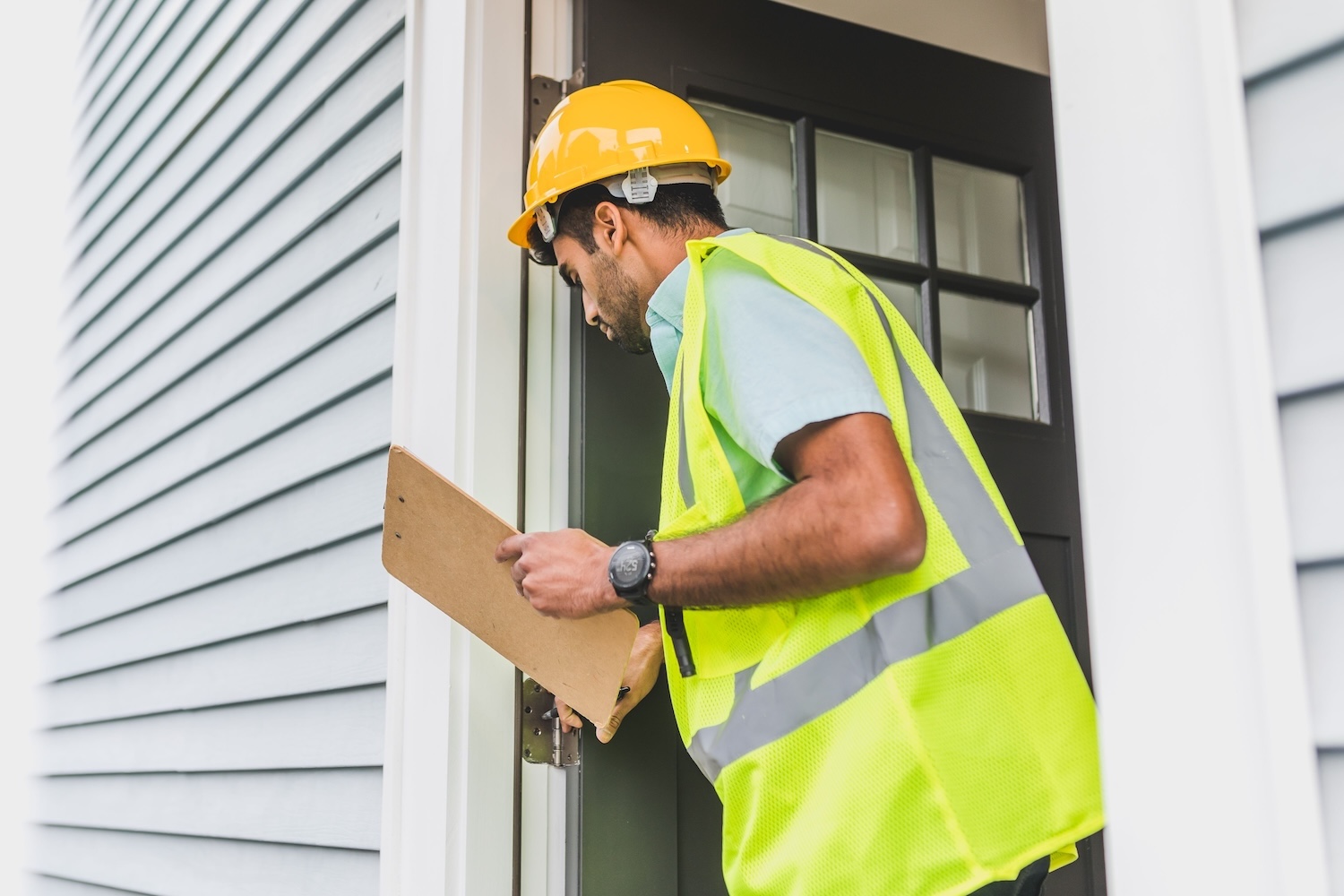
Radon testing isn’t legally required in Utah, but it’s become a standard part of due diligence, right alongside the general home inspection. Either side of a deal can initiate it. Some sellers test before listing so there are no surprises once they’re under contract, while buyers more often order an independent test during their inspection period.
For a transaction, it’s worth paying for a short-term test placed by a certified, third-party tester rather than relying on a store-bought kit; lenders and title companies generally want a result they can trust, and a professional will make sure the home is tested under proper closed-house conditions (windows and doors shut for at least 12 hours before and during the test, typically a 48-hour window).
Utah sellers are required to disclose known hazardous conditions, radon included, on the property condition disclosure, answering yes, no, or do not know based on their current actual knowledge. If a test does come back elevated mid-transaction, the smoother path is usually to address it directly in the contract: agree on an acceptable level and who covers mitigation, rather than treating the test itself as a pass-or-fail contingency. A local agent who’s been through this before can help keep that conversation practical instead of tense.
Testing After You’ve Moved In
You don’t need a pending sale to justify testing. A basic home radon test Utah residents can buy through the Utah Radon Program runs about $9; you leave a short-term kit at the lowest level of the home you actually use for two to four days, then mail it off for lab results. It’s a small enough task to build into your first few months in a new house.
Winter is the best time to test. Utah’s Radon Action Month falls in January for a reason: closed-up windows and reduced ventilation during cold months tend to let radon concentrations climb, so a winter reading gives you a more realistic picture than one taken with the windows open in the spring or fall. It’s also worth retesting whenever your living patterns change, you finish a basement, move a bedroom or home office downstairs, or complete work on the foundation, since those changes can shift how much radon reaches the air you’re breathing. Beyond that, retesting every couple of years is a reasonable habit, like replacing your smoke detector batteries on a schedule.
What the Numbers Actually Mean
The EPA’s action level of 4.0 pCi/L isn’t a hard line between “safe” and “dangerous”; radon risk rises gradually with exposure and time, and there’s technically no level considered entirely risk-free. What 4.0 pCi/L represents is the point where the EPA recommends taking action, because mitigation at that level is reliably cost-effective. A result in the 2 to 3 range isn’t a crisis; a result above 4.0 is a straightforward, fixable project, not a reason to lose sleep.
If Your Results Come Back Elevated
This is more common than most homeowners expect, and it’s one of the easier problems in homeownership to solve. If your first test was a DIY short-term kit and it came back elevated, a second test (long-term or professional) is a reasonable next step to confirm the reading before committing to mitigation. From there, the process generally looks like this:
- Get two or three bids from radon mitigation contractors certified through the National Radon Proficiency Program or NEHA so that you can compare pricing and approach.
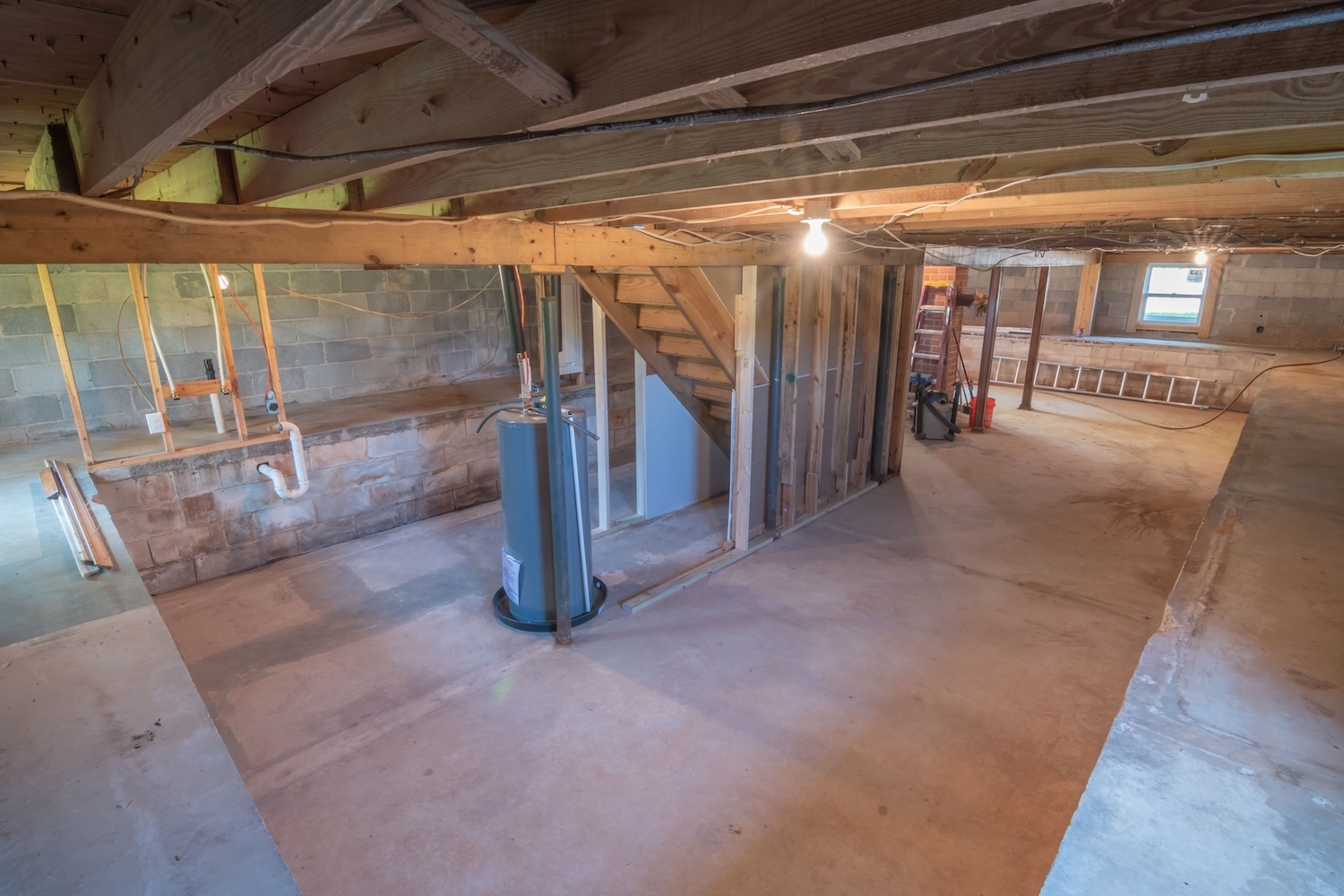
- A certified contractor installs an active soil depressurization system — typically a sealed pipe run from beneath the foundation up through the house to an exhaust fan, venting radon above the roofline before it ever reaches living space.
- Most systems bring levels down below 2 pCi/L, and a follow-up test within 24 hours of installation confirms it’s working.
- Ongoing costs are modest: roughly $8–$10 a month in electricity for the fan, occasional checks of the system’s pressure gauge, and a fan replacement around every 15 years.
- Salt Lake County homeowners who qualify may be able to get help covering mitigation costs through the county’s Green and Healthy Homes program.
Mitigation systems typically run somewhere in the $1,500–$2,000 range installed, a real expense, but a modest one next to almost anything else on a homeowner’s repair list. If you’re not sure where to start, a real estate agent who works in this market regularly can usually point you toward a certified local contractor they trust, which takes some of the guesswork out of a process most people only go through once.
None of this is medical or legal advice; if you have specific health concerns related to radon exposure, that’s a conversation for a physician, and for questions about disclosure obligations or contract language, a real estate attorney is the right resource. But as routine home maintenance goes, radon testing is about as low-effort and high-value as it gets: a few days with a test kit on a shelf, and either peace of mind or a clear, solvable next step.
Salt Lake City and You
SLCHomes.com is a great resource to learn more about the city.
If you’re considering buying or selling a home in or around Salt Lake City, we’re here to help! Whether selling to move up, buying your first home, or relocating, we provide expert, data-backed guidance to help you navigate the market with confidence.
Contact Kevin Coyle today to discuss your real estate goals—or explore more insights on our SLC Homes Blog.