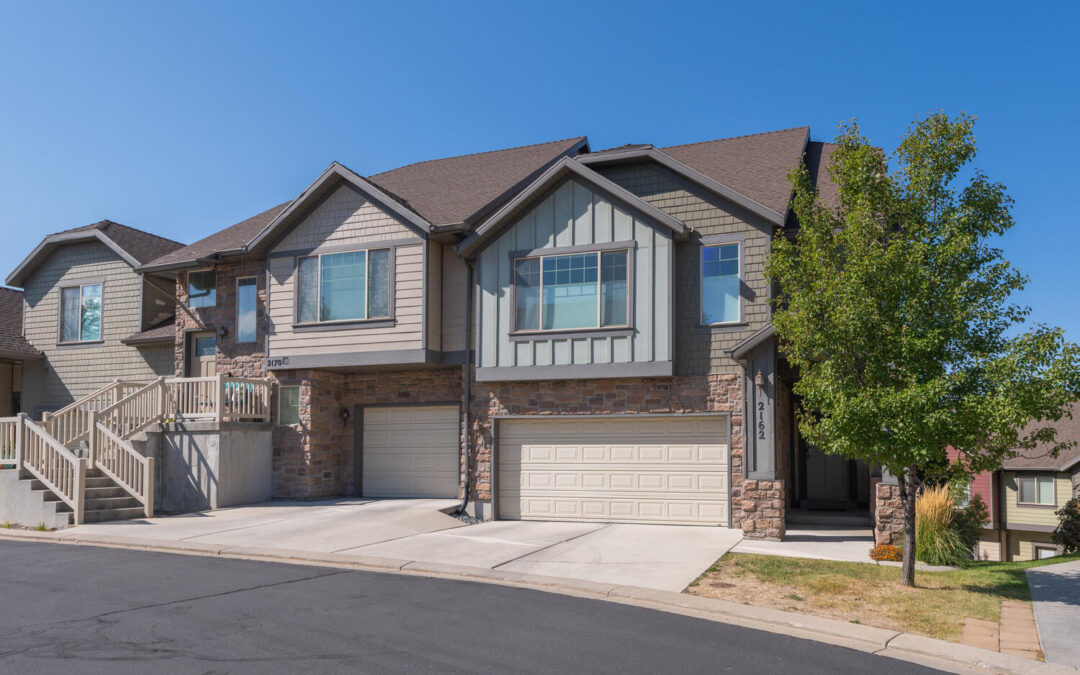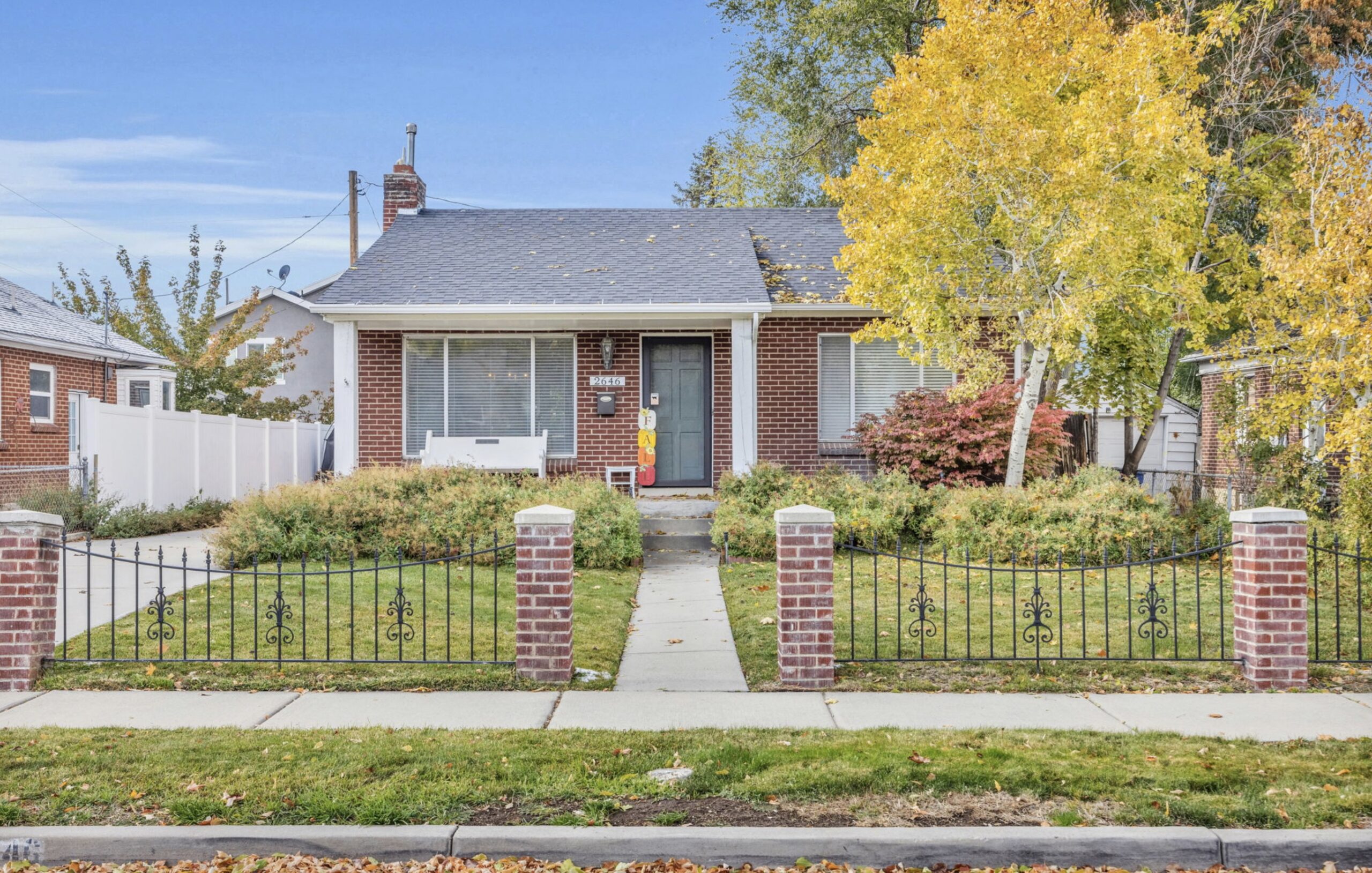
If you’ve been browsing listings in Salt Lake City, you’ve probably come across a home marketed as “sold as-is.” For some buyers, that phrase raises a red flag, and they scroll right past. But an as-is listing isn’t automatically a warning sign, and it doesn’t mean you’re walking into a deal with no protections or no say in the matter. It simply changes what you can expect from the seller once you’re under contract, and it makes your own homework more important, not less.
What “As-Is” Actually Means
In practical terms, an as-is sale means the seller isn’t planning to make repairs, upgrades, or concessions based on whatever an inspection turns up. You’re buying the home in its current condition, and the price is generally set with that in mind. Sellers choose this route for all kinds of reasons: an inherited property, a home that’s been rented out for years, a seller who simply doesn’t have the time, money, or interest in tackling repairs before closing. It doesn’t automatically mean the house is falling apart.

What “As-Is” Does Not Mean
This is where a lot of buyers get tripped up. An as-is label doesn’t erase the seller’s disclosure obligations, and it doesn’t mean you’re giving up your right to inspect the property or walk away if something serious turns up. In Utah, sellers are still expected to complete a Seller’s Property Condition Disclosure and share known material defects; as-is affects who pays for repairs, not what the seller has to tell you. It also doesn’t mean you’re skipping the due diligence period built into most Utah purchase contracts. You still have the right to inspect, and depending on how the contract is written, you may still have the right to negotiate or cancel if the inspection reveals something you’re not willing to live with.
Why the Inspection Still Matters — Maybe More Than Ever
Skipping an inspection to save money on an as-is home is one of the more common mistakes buyers make. Since the seller isn’t on the hook to fix anything, you need a clear, professional picture of what you’re taking on before you’re locked into the purchase. A thorough inspection won’t just flag obvious problems; it can uncover roof, foundation, electrical, or plumbing issues that aren’t visible during a walkthrough. That information helps you make an informed decision, not a guess.
Read the Seller Disclosures Closely
Don’t treat the disclosure form as a formality. Read it line by line, and ask your agent about anything vague, outdated, or missing. A seller disclosing a known issue with a slab leak or an aging furnace is giving you real information you can factor into your inspection, your negotiations, or your decision to move forward at all. Pair the disclosure with the inspection report, and you’ll have a much more complete picture of the home’s actual condition.

Do the Repairs Fit Your Budget?
Once you know what’s wrong, or what could go wrong down the line, the real question is whether you can afford to fix it. Get rough repair estimates before you finalize the deal, not after. A home that needs a new roof or an updated electrical panel might still be a smart buy if the price reflects that work and it fits comfortably into your budget. It might not be the right fit if those repairs would stretch you thin right out of the gate. This is also where it helps to think beyond move-in day: some repairs are urgent, and others can reasonably wait a year or two.
As-Is Doesn’t Mean Take-It-or-Leave-It
One of the biggest misconceptions is that as-is means no room to negotiate. In many cases, you can still negotiate on price, ask for a credit toward closing costs, or request that specific safety issues be addressed, even in an as-is sale. Whether any of that is realistic depends on the specific contract, the seller’s motivation, and the local market — which is exactly why it helps to have an experienced local agent reviewing the terms with you before you sign anything.
None of this is legal advice; every contract and disclosure form is different, and if you have questions about your specific rights or obligations, it’s worth talking to a real estate attorney. But in general, an as-is listing is a starting point for a conversation about condition and price, not a reason to skip your due diligence.
Salt Lake City and You
If you’re considering buying or selling a home in or around Salt Lake City, we’re here to help! Whether selling to move up, buying your first home, or relocating, we provide expert, data-backed guidance to help you navigate the market with confidence.
Contact Kevin Coyle today to discuss your real estate goals—or explore more insights on our SLC Homes Blog.