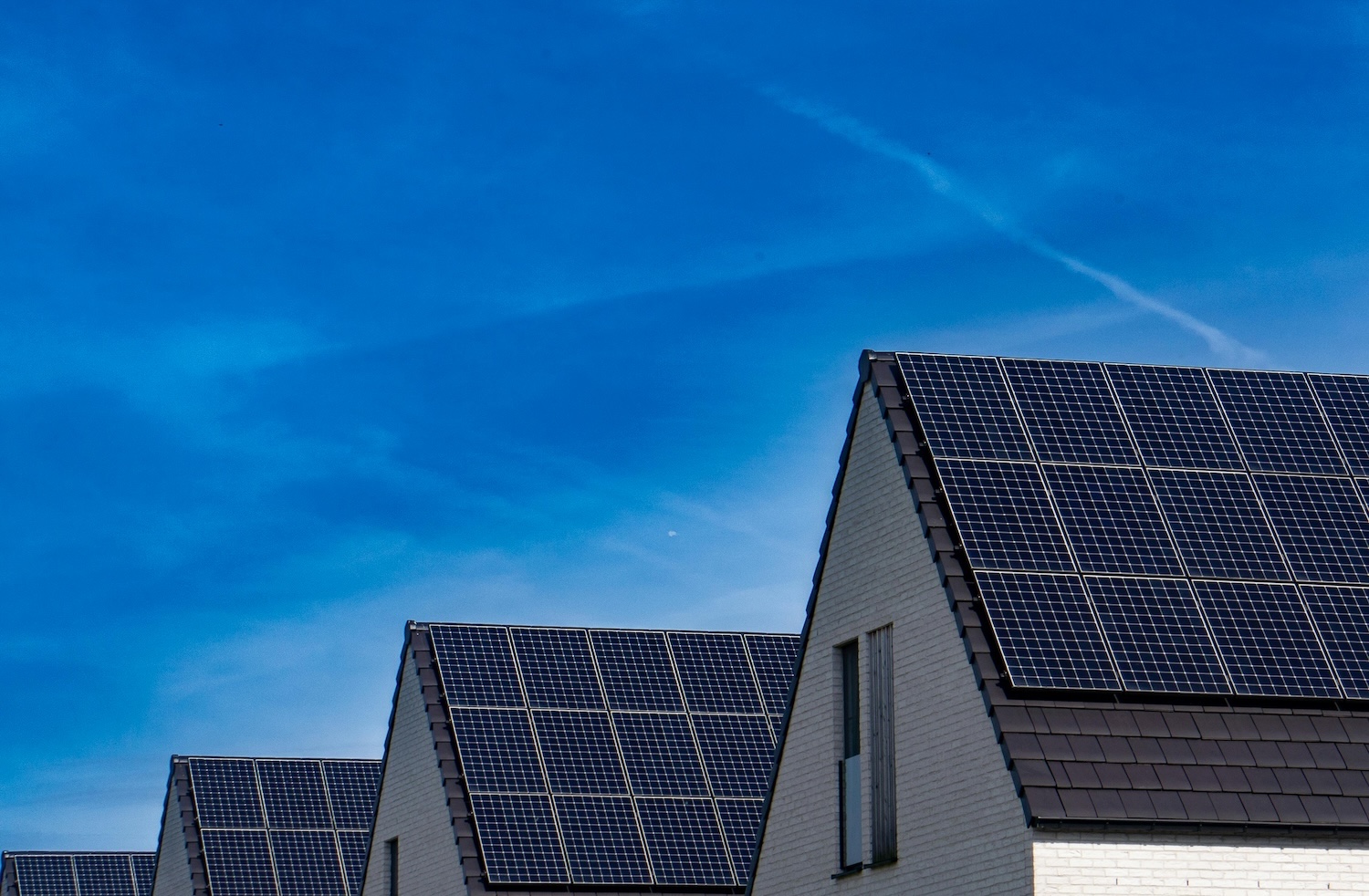
Solar panels sound like a straightforward win: lower utility bills, maybe some environmental goodwill. But when solar comes attached to a home you’re buying, the situation gets complicated fast. The system on the roof could be a real asset, a liability that follows you, or something in between. Before you fall in love with the monthly savings pitch, there are a few things you need to know.
There’s a Form for This — and It Matters
In Utah, any home sale involving a solar panel system requires a Solar Panel System Addendum. This document is separate from your standard purchase agreement and exists specifically to spell out the details of the system: who owns it, how it was paid for, what transfers to the buyer, and what doesn’t.
If you’re working with a good agent, this addendum gets addressed early. If it’s missing or vague, that’s a red flag worth pressing on before you’re under contract.
Owned, Leased, or Financed — These Are Not the Same Thing
The single most important question to ask about any solar system: Does the seller own it outright?
Owned systems are the cleanest scenario. The seller paid cash for the system, it’s part of the property, and it transfers to you at closing like any other fixture. You inherit the panels and the savings.
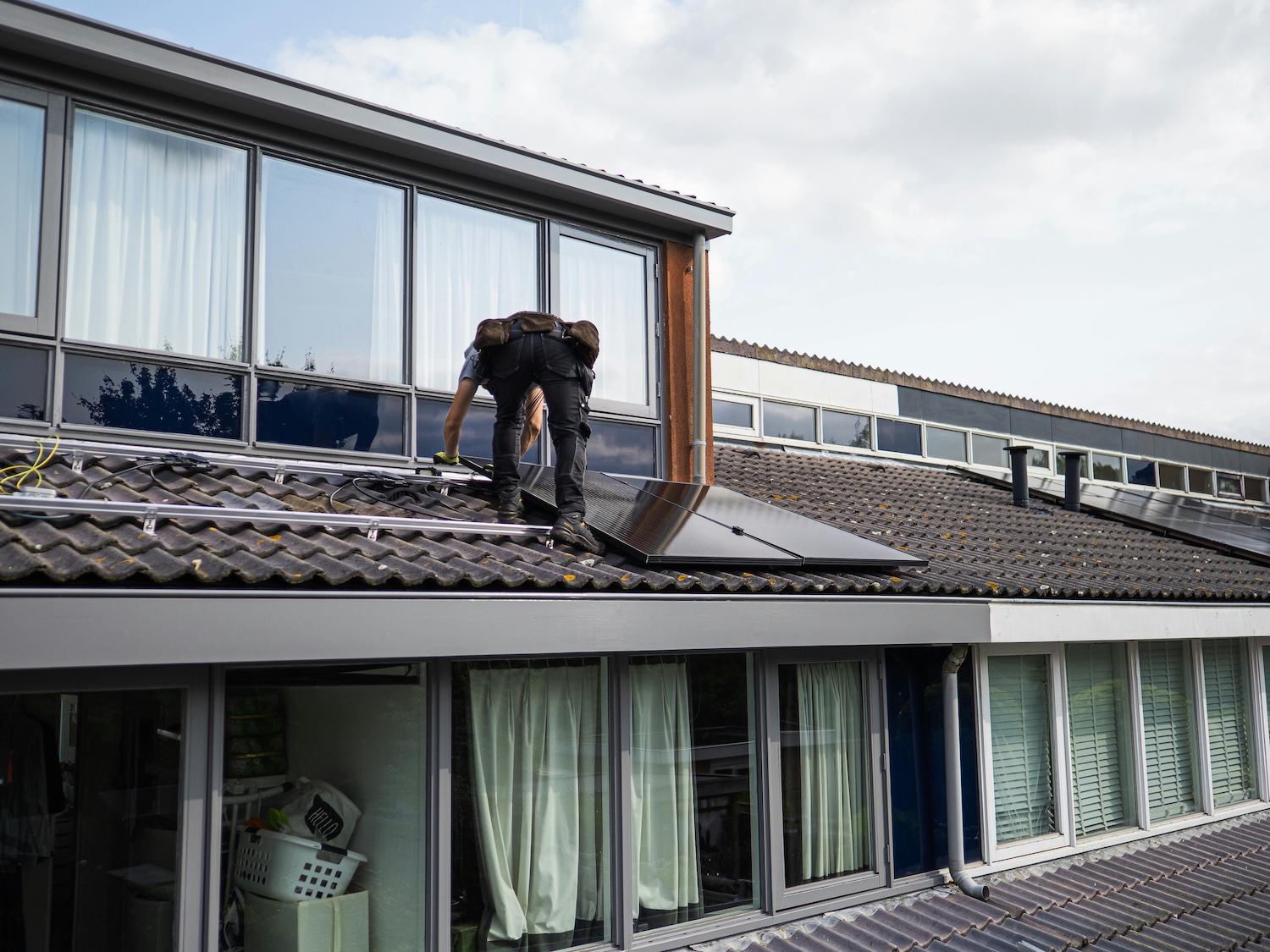
Leased systems are more complicated. The panels belong to a third-party company — not the seller — and you’d be taking over a lease agreement if you buy the home. That means monthly payments to the solar company, terms that may run 20+ years, and approval processes that can slow down or derail closing. Some buyers are fine with this. Many aren’t.
Financed systems are the trickiest. The debt can attach to the property itself and appear on the title. That means it doesn’t disappear when the seller walks away. If it’s recorded as a lien, you could be taking on that balance whether you realize it or not. Your title company will catch this, but you need to understand what you’re looking at when it comes up.
Bottom line: ask early, get documentation, and have your agent dig into exactly how the system was financed before you’re too far into the transaction to back out cleanly.
Does Solar Actually Make Sense for You?
Solar is often sold as a universally good deal. It isn’t. Whether it makes sense depends on how much electricity you actually use.
The buyer most likely to benefit from an existing solar system is someone with high electricity consumption — especially EV owners. Charging a vehicle at home can significantly increase your monthly bill, and a well-sized solar system can offset a large chunk of that. If you’re already planning to own or lease an EV, an owned solar system on a home you’d otherwise buy anyway can be genuinely valuable.
If you’re not a heavy electricity user, the math gets thinner. Run the numbers on actual utility savings versus what you’d absorb in purchase price or lease payments. Don’t take the seller’s projected savings at face value — those estimates are often optimistic.
One More Thing: The Roof
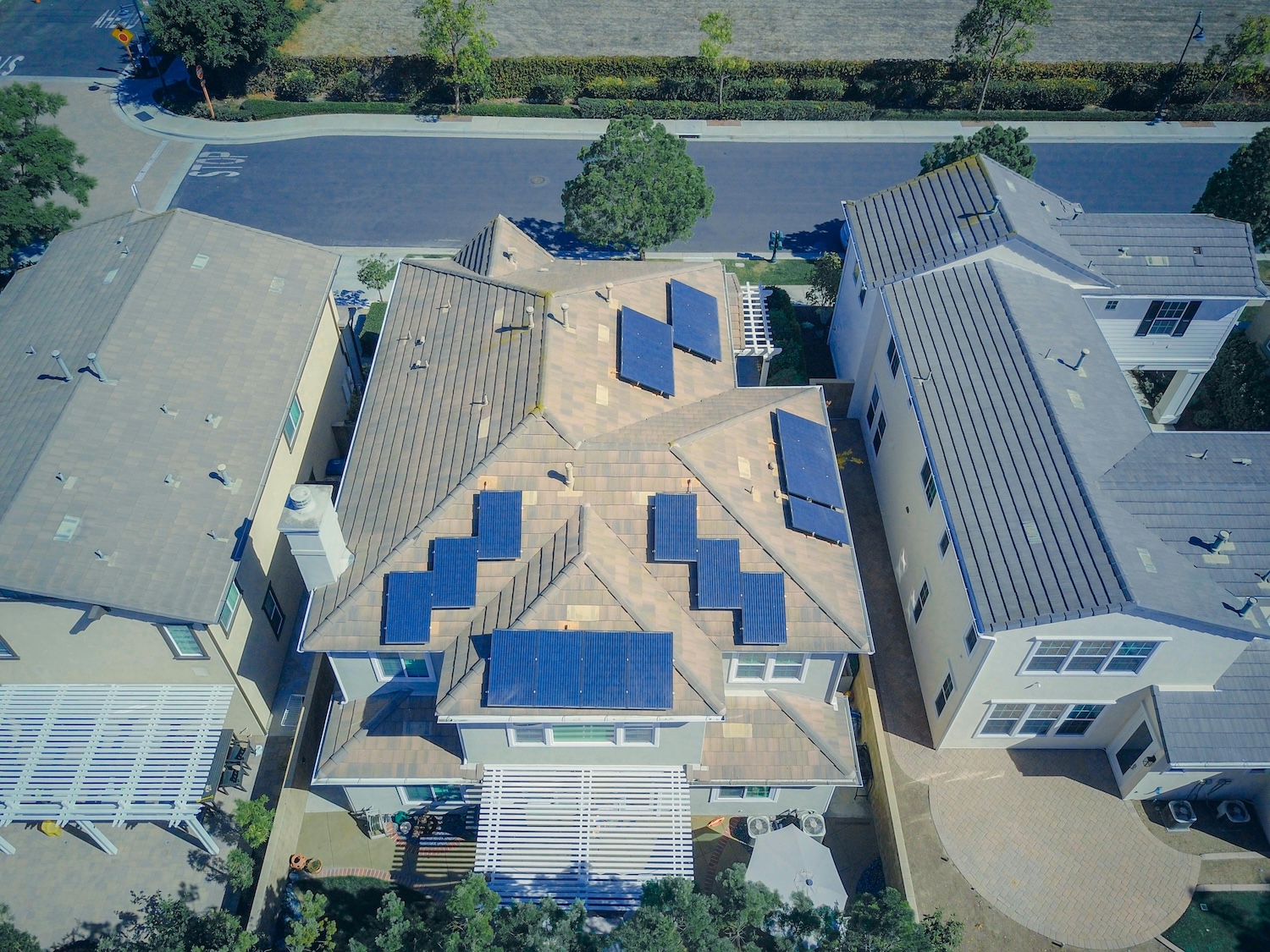
Solar panels and roofs age at different rates. This matters because if your roof needs to be replaced in the next few years, the panels will need to come down and go back up — and that’s not cheap.
Solar installations work best on newer roofs. If a home has an older roof with 5 to 8 years of life left and solar panels on top, factor in the future costs of panel removal, roof replacement, and reinstallation. It’s a real expense that often gets overlooked during a purchase.
Request documentation on the roof’s age and condition, along with the solar system details. Your inspector should also weigh in on both.
The Short Version
Ask whether the system is owned, leased, or financed. Understand what transfers to you at closing and what doesn’t. Check the title for any liens tied to the solar loan. Factor in your actual electricity usage before deciding whether the system adds value. And look at the roof before assuming the whole package is a benefit.
Solar can be a genuine plus in the right situation. It can also be a headache that complicates closing and follows you for years. The difference usually comes down to asking the right questions early enough, actually, to do something about the answers.
Salt Lake City Real Estate: Your Partner in 2026
If you’re considering buying or selling a home in or around Salt Lake City, we’re here to help! Whether selling to move up, buying your first home, or relocating, we provide expert, data-backed guidance to help you navigate the market with confidence.
Contact Kevin Coyle today to discuss your real estate goals—or explore more insights on our SLC Homes Blog.