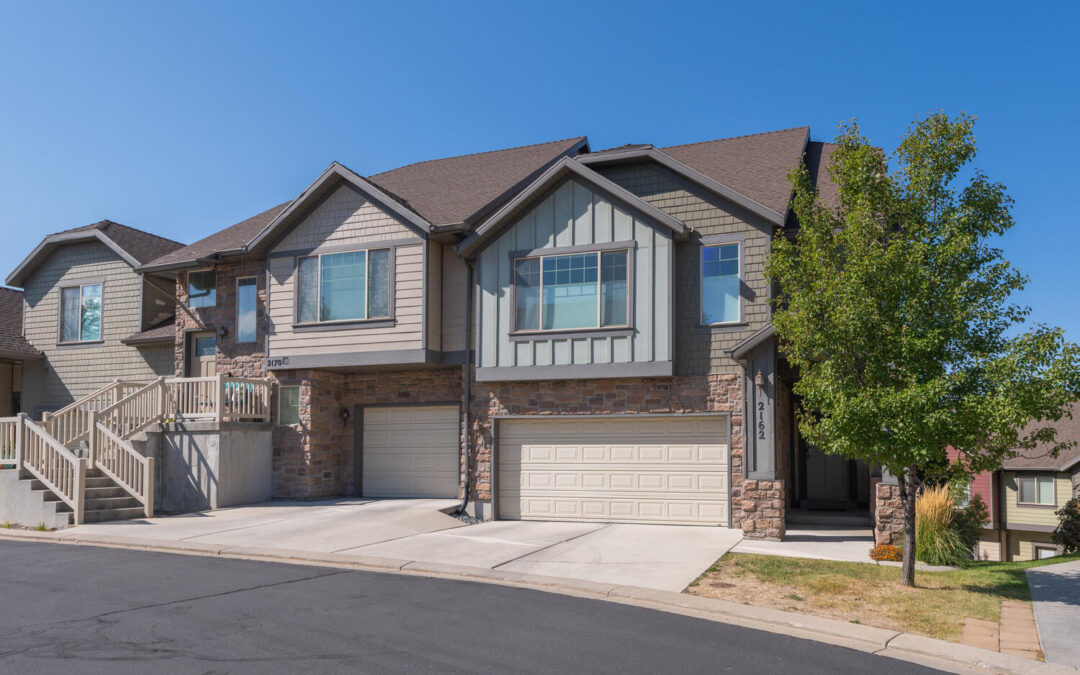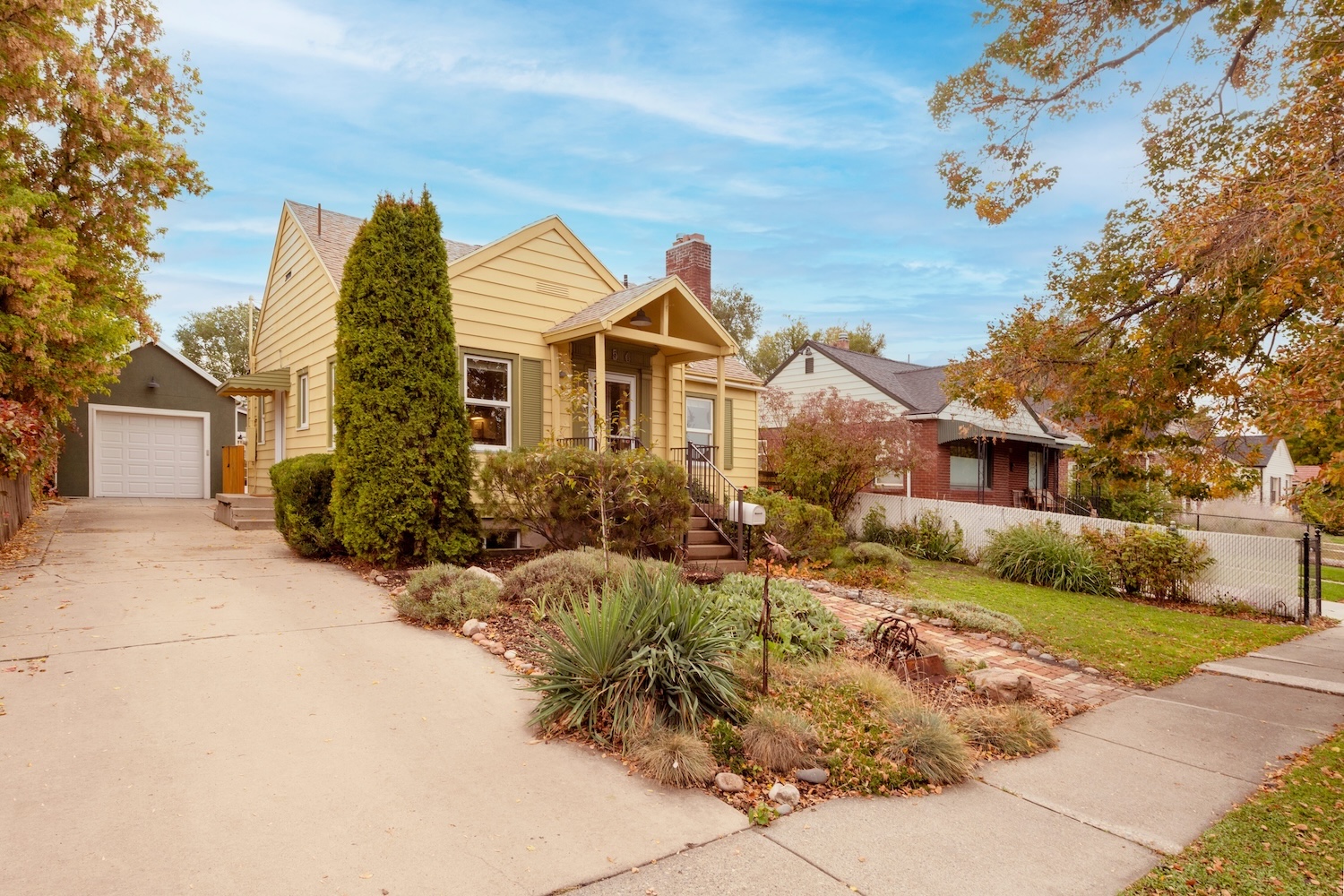
A lot of homes in Salt Lake have what sellers describe as a “mother-in-law apartment” downstairs, a bedroom, a bathroom, maybe a small kitchen setup. It sounds useful. It might even be where you’re planning to put family or generate some rental income.
But there’s a meaningful difference between a basement that someone finished with a kitchenette and a legal accessory dwelling unit (ADU). That difference matters a lot more than most buyers and homeowners realize, especially in Utah, where ADU rules have been evolving quickly.
“Mother-in-Law Apartment” vs. Legal ADU
The term “mother-in-law apartment” is informal. It describes a basement or secondary space that functions like a separate unit; it has the pieces of a home, but it may or may not have been built with permits, inspected, or approved as a dwelling. In many cases, it wasn’t.
A legal ADU is different. It’s a secondary unit that was constructed or converted with city permits, inspected at key stages, and approved to function as an independent living space. In Salt Lake City and most surrounding municipalities, that means it meets minimum requirements for egress, ventilation, ceiling height, electrical, plumbing, and fire safety.
The basement that “works fine” and the legally habitable basement are not the same thing.
Why It Matters
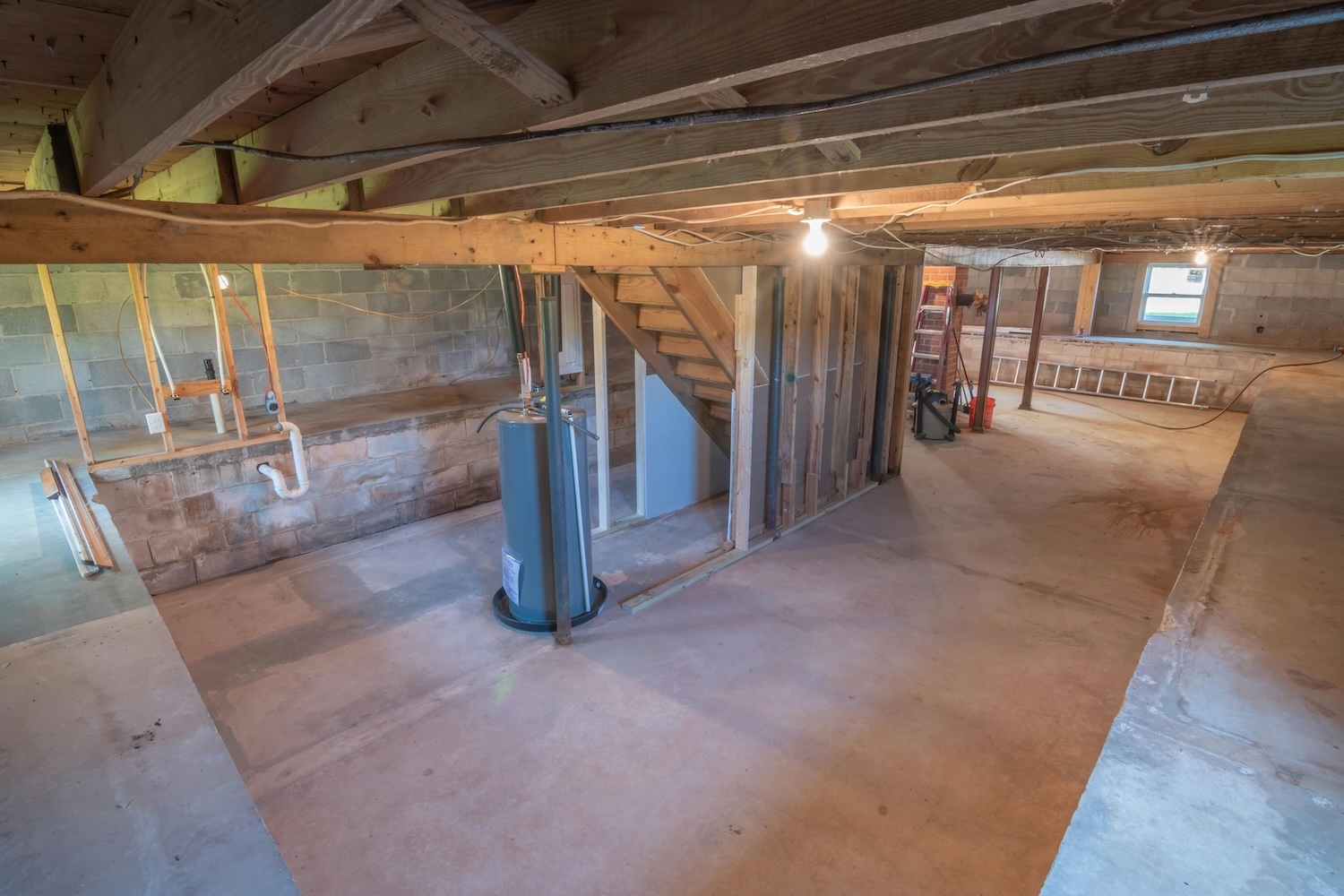
If someone converted a basement without permits, the work may not meet code — even if it looks fine on the surface. That creates real risk.
When you go to sell, a buyer’s agent or inspector will often flag unpermitted space. Depending on how it’s disclosed, this can kill a deal, reduce the sale price, or require you to either remove the work or retroactively permit it, which sometimes means opening walls.
If you’re renting the space and something goes wrong — a fire, a flood, an injury — the lack of permitted status can complicate insurance claims and expose you to liability.
And in some cases, the city can require you to stop using the space as a dwelling altogether until it’s brought into compliance.
None of this means an unpermitted basement is worthless. But you should go into it with your eyes open.
What Makes a Basement Conversion Compliant in Utah
Utah passed legislation in 2021 requiring cities to allow ADUs in residential zones, which was a meaningful shift. But “allowed” doesn’t mean “automatic.” Each municipality still controls the process.
For Salt Lake City specifically, a basement ADU generally needs to meet requirements in a few key areas:
Zoning. Your property has to be in a zone that allows ADUs. Most single-family zones in Salt Lake now do, but it’s worth confirming before you spend any money.
Permits. You’ll need a building permit before any structural, electrical, or plumbing work begins. This isn’t optional. Doing the work first and trying to permit it later is harder, more expensive, and sometimes not possible.
Building code compliance. This covers the basics: minimum ceiling height (usually 7 feet), proper egress windows in sleeping areas, smoke and CO detectors, and a separate electrical panel or sub-panel, depending on the scope.
Separate entrance. A legal ADU typically needs its own exterior entrance, one that doesn’t route through the main living space.
Inspections. Work gets inspected at key stages. That’s the mechanism that actually confirms the space meets code.
The specifics vary by city. What Salt Lake City allows may differ from what West Jordan, Murray, or Draper allows. Always verify with your local planning department before you start.
The Bottom Line
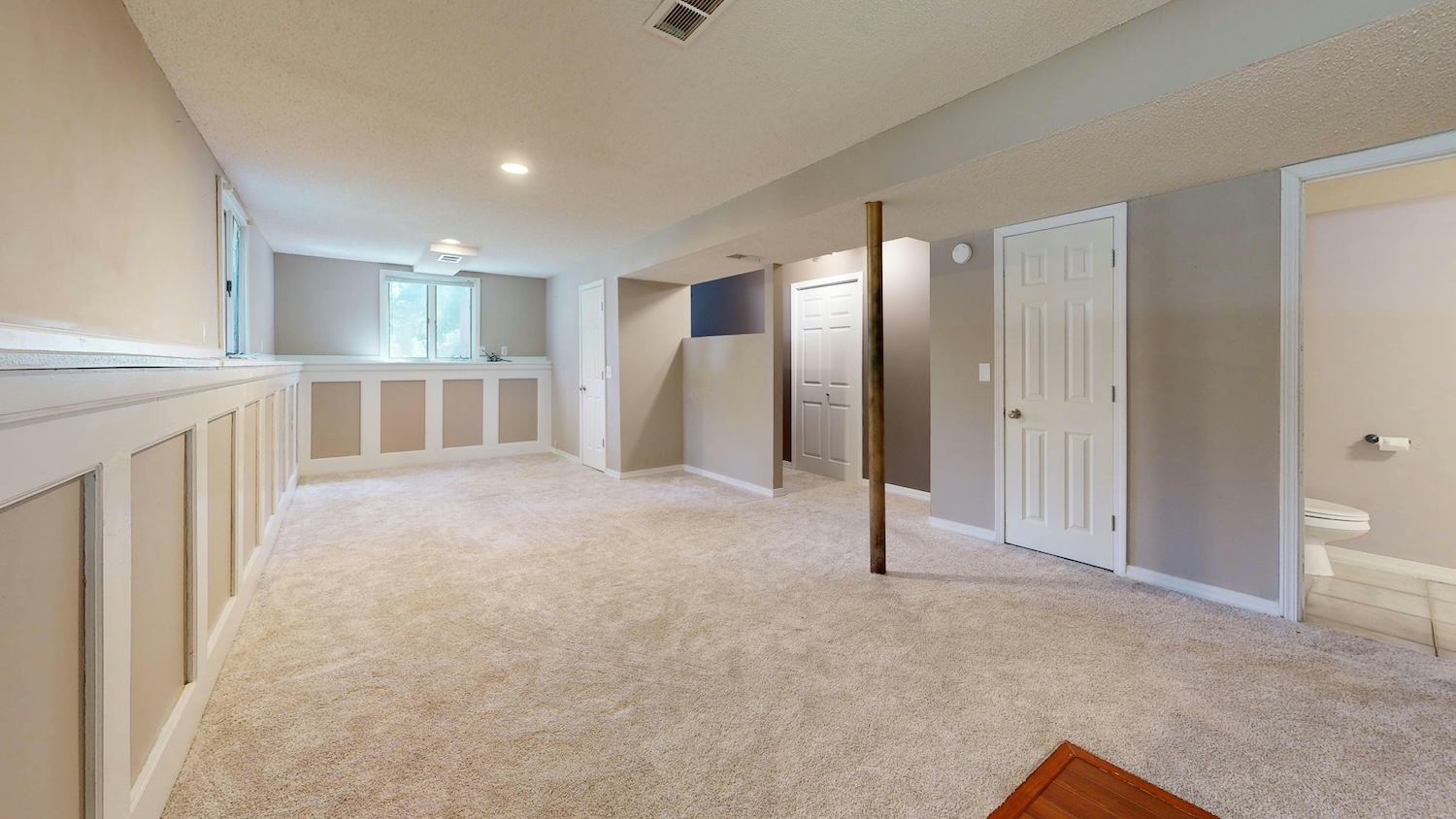
A finished basement with a kitchen is an asset. A permitted, inspected, legally compliant ADU is a bigger one, and it protects you in ways that matter when it comes time to sell, rent, or file an insurance claim.
If you’re looking at a home that’s listed with a “mother-in-law apartment,” ask your agent to find out whether it was permitted. The answer will tell you a lot about what you’re actually buying.
And if you’re thinking about converting your own basement, start with your city’s planning department, not a contractor. Know what’s allowed and what’s required before any work begins. The permit process exists for a reason, and working with it instead of around it will save you money and headaches down the road.
Salt Lake City and You
SLCHomes.com is a great resource to learn more about the city. SLC Homes helps those considering relocating to SLC in finding a home or condo. Check out our relocation info page to learn more about how we can assist you in this exciting next phase of your life!