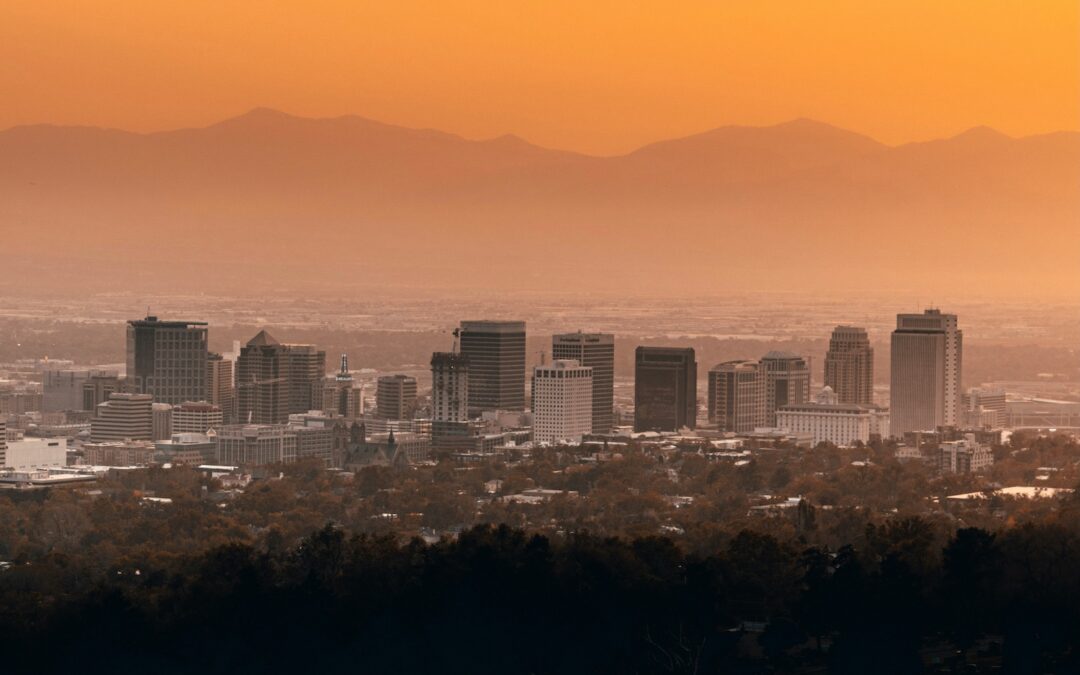
If you’ve lived in Salt Lake for more than one season, you already know the deal. Snow sticks around longer than you expect, then suddenly it’s 70 degrees, and everything is dry again. That quick shift is exactly why Utah keeps a close eye on water use every spring and summer.
Here’s what you actually need to know to keep your yard in good shape without wasting water or getting a friendly (or not-so-friendly) notice from the city.
Why Watering Rules Matter Right Now
Utah is one of the driest states in the country. Snowpack helps, but it doesn’t always carry us through the summer. A few low-snow winters in a row, and things tighten up quickly.
For homeowners, that means two things:
- Water is a limited resource, especially during peak summer months
- Cities and water districts actively manage how and when you can use it
You’ll see these rules show up every year, but they tend to get stricter when conditions are especially dry.
The Basics: When You Can Water
Most cities in the Salt Lake Valley follow a similar structure. The exact schedule can vary slightly, but this is the general playbook:
Early Spring (April–May):
- Water 1–2 times per week
- Let the soil dry out between watering
- You usually don’t need much irrigation yet, thanks to leftover moisture from winter
Summer (June–August):
- Water 2–3 times per week
- Stick to an odd/even day schedule based on your address
- Water early morning or late evening only
Fall (September–October):
- Scale back to 1–2 times per week again
- Shut down systems before the first freeze
Common Restrictions to Watch For
Even if your city doesn’t feel strict, there are a few rules that show up almost everywhere:
- No watering during the heat of the day
Typically between 10 AM and 6 PM. Most of that water evaporates anyway. - No watering on consecutive days
Your lawn doesn’t need it, and runoff becomes an issue. - Avoid runoff onto sidewalks and streets
If water is flowing into the gutter, you’re overdoing it. - Limit watering of new sod or seed
This one surprises people. New lawns often get special guidelines.
What This Means for Your Yard
This is where most homeowners get tripped up. More water does not equal a better lawn.
Here’s what actually works in Salt Lake’s climate:
- Water deeper, less often
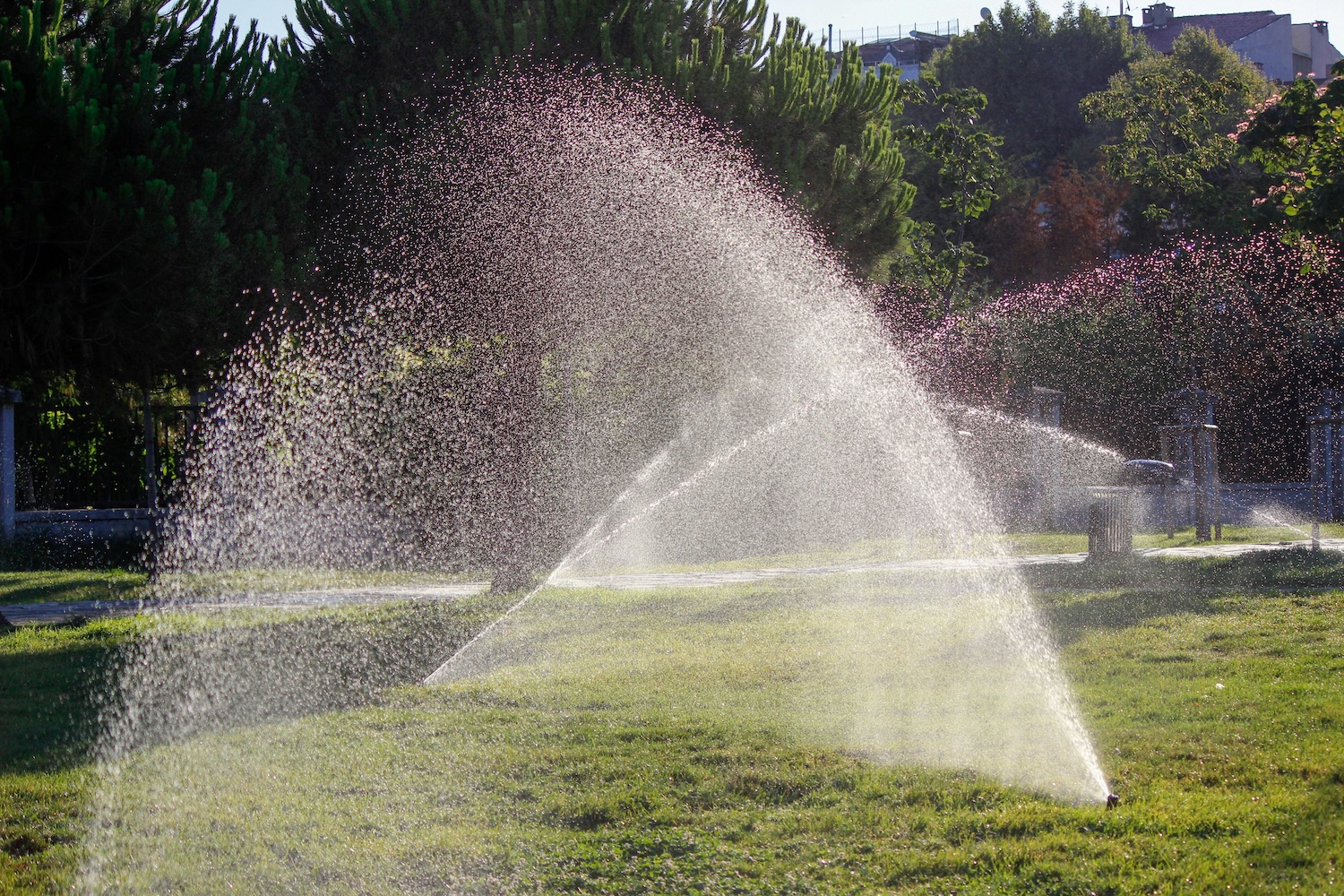
You want roots to grow down, not stay shallow. - Adjust your sprinkler system early
Broken heads and misaligned spray patterns waste a lot of water. - Watch your soil, not just your schedule
If the ground is still damp, skip a day. - Expect your lawn to look a little less “golf course.”
That’s normal here. A slightly less green lawn is a lot more sustainable.
A Quick Note on Xeriscaping
You’ll hear this word more and more every year.
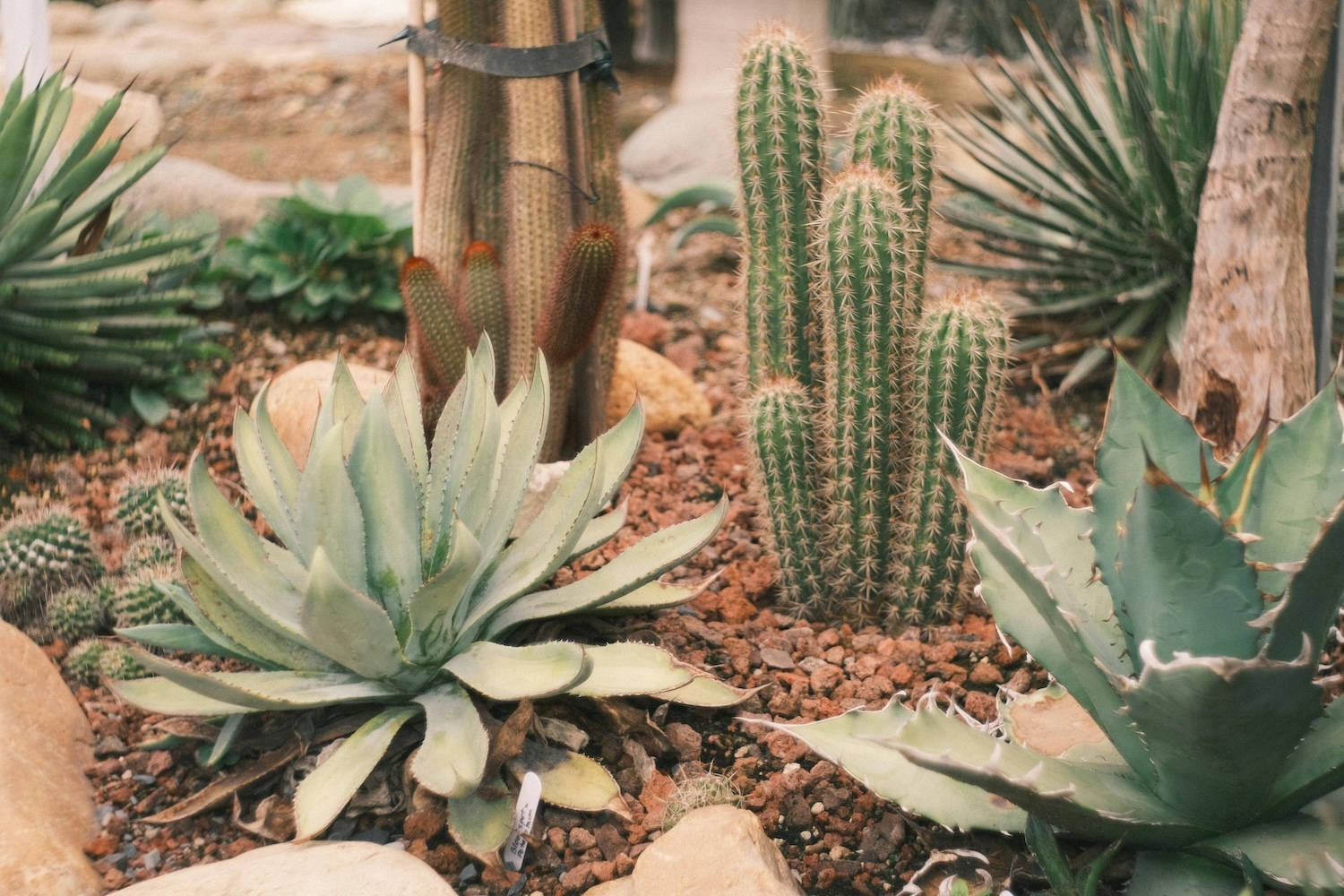
Xeriscaping simply means designing your yard to use less water. That can include:
- Native or drought-tolerant plants
- Rock or mulch instead of full lawn coverage
- Smarter irrigation systems
It doesn’t mean giving up on having a nice yard. It just means working with Utah’s climate instead of fighting it.
How to Stay Out of Trouble
You don’t need to memorize city code to stay compliant. Just follow a few simple rules:
- Check your local city or water district website once each spring
- Set a watering schedule and stick to it
- Run your sprinklers early in the morning, not mid-day
- Fix leaks or broken heads quickly
If you do those four things, you’ll be in good shape.
Spring in Salt Lake always feels like a reset. Snow melts, yards come back to life, and everyone starts paying attention to their outdoor space again.
The key is not overthinking it. Water a little less than you think you need, pay attention to conditions, and make a few smart adjustments early in the season. Your yard will be healthier for it, and you won’t be wasting money or resources along the way.
Salt Lake City and You
SLCHomes.com is a great resource to learn more about the city. SLC Homes helps those considering relocating to SLC in finding a home or condo. Check out our relocation info page to learn more about how we can assist you in this exciting next phase of your life!