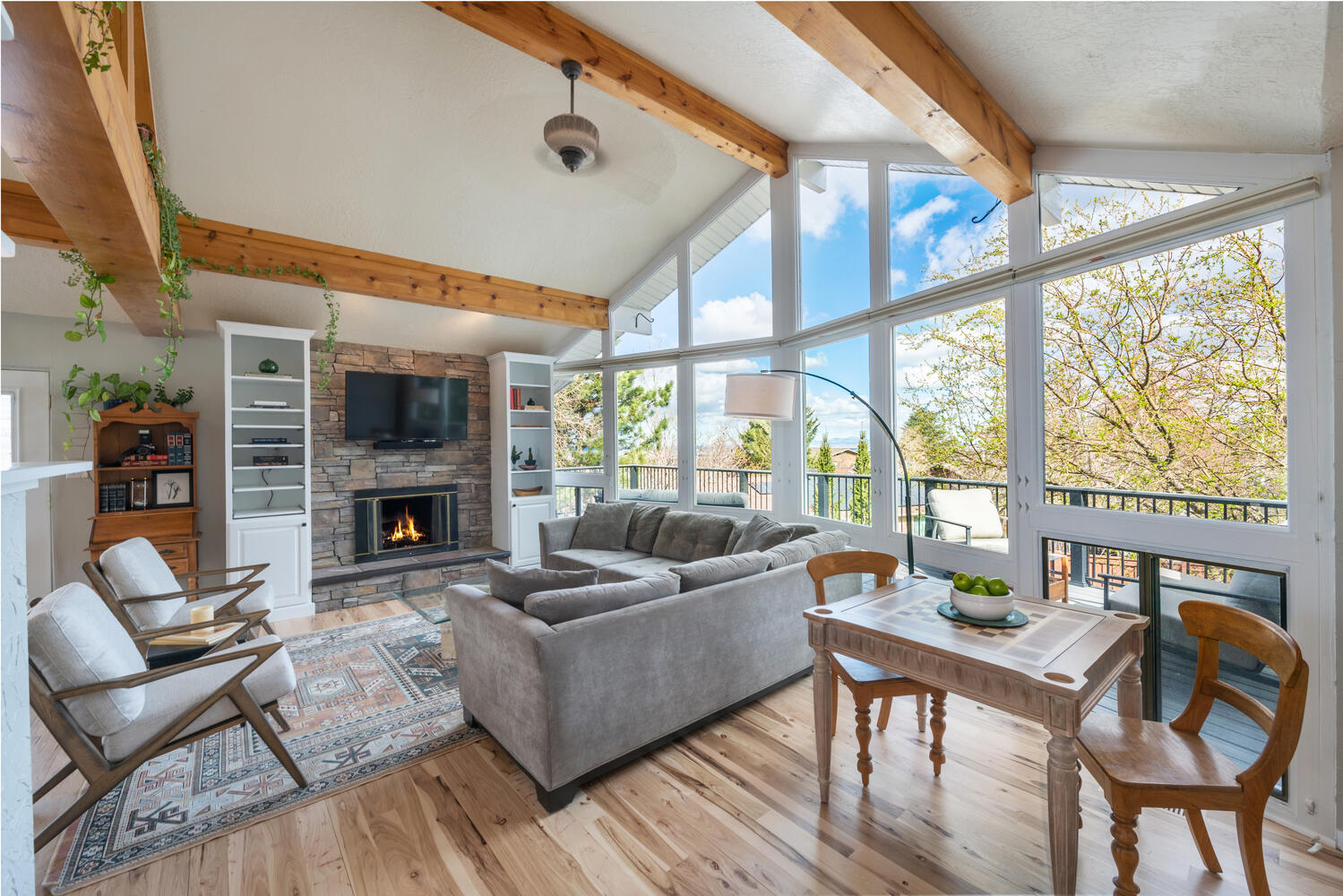
Every year, deals hit a snag over the same question: what actually comes with the house? A seller assumes the washer and dryer are theirs to take. A buyer assumes the security cameras stay. Neither side is wrong to assume — they just assumed different things. The fix is simple: write it down. Here’s what commonly trips people up, and how to avoid it.
The basic rule: fixtures vs. personal property
Utah real estate follows a general rule for what stays and what goes. A fixture, something permanently attached to the home, like built-in shelving or a ceiling light, is presumed to convey with the property. Personal property, anything that isn’t attached, like a freestanding bookshelf, is presumed to leave with the seller. That sounds simple until you hit the gray area, and most disputes live in the gray area. The safest move isn’t memorizing the legal test; it’s listing the specific items in the purchase contract so there’s no test to argue about.
Appliances: refrigerators, washers, and dryers
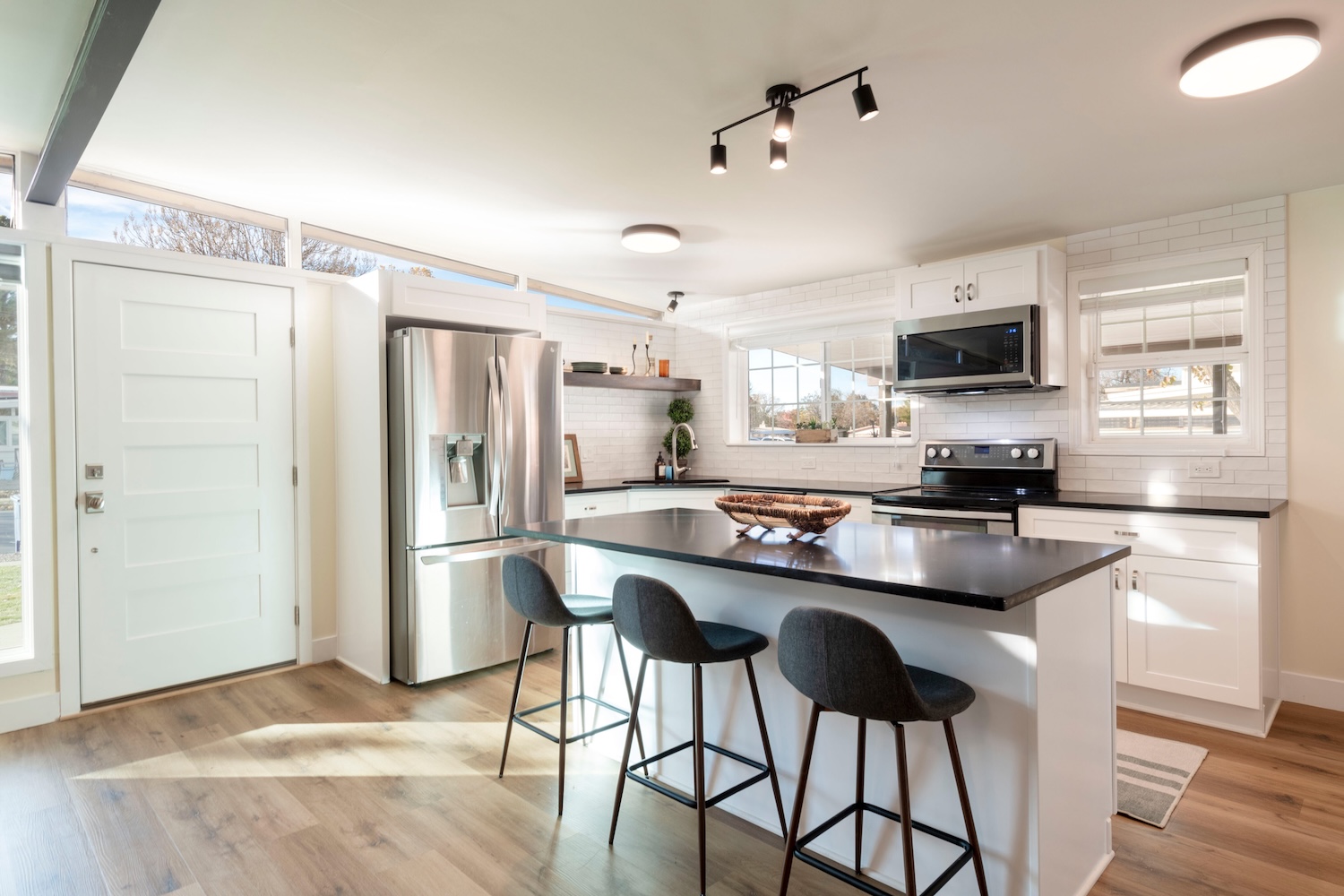
These are the most common source of confusion, because they aren’t legally fixtures, but they also aren’t always packed up and taken. A refrigerator, washer, or dryer can be plugged in and functional without being attached to the structure, which means it’s technically personal property unless the contract says otherwise. If a seller plans to take these appliances, say so in the listing and the contract. If a buyer is counting on them staying, get that in writing too. Don’t rely on what’s in the listing photos — photos aren’t a contract.
TV mounts and wall-anchored items
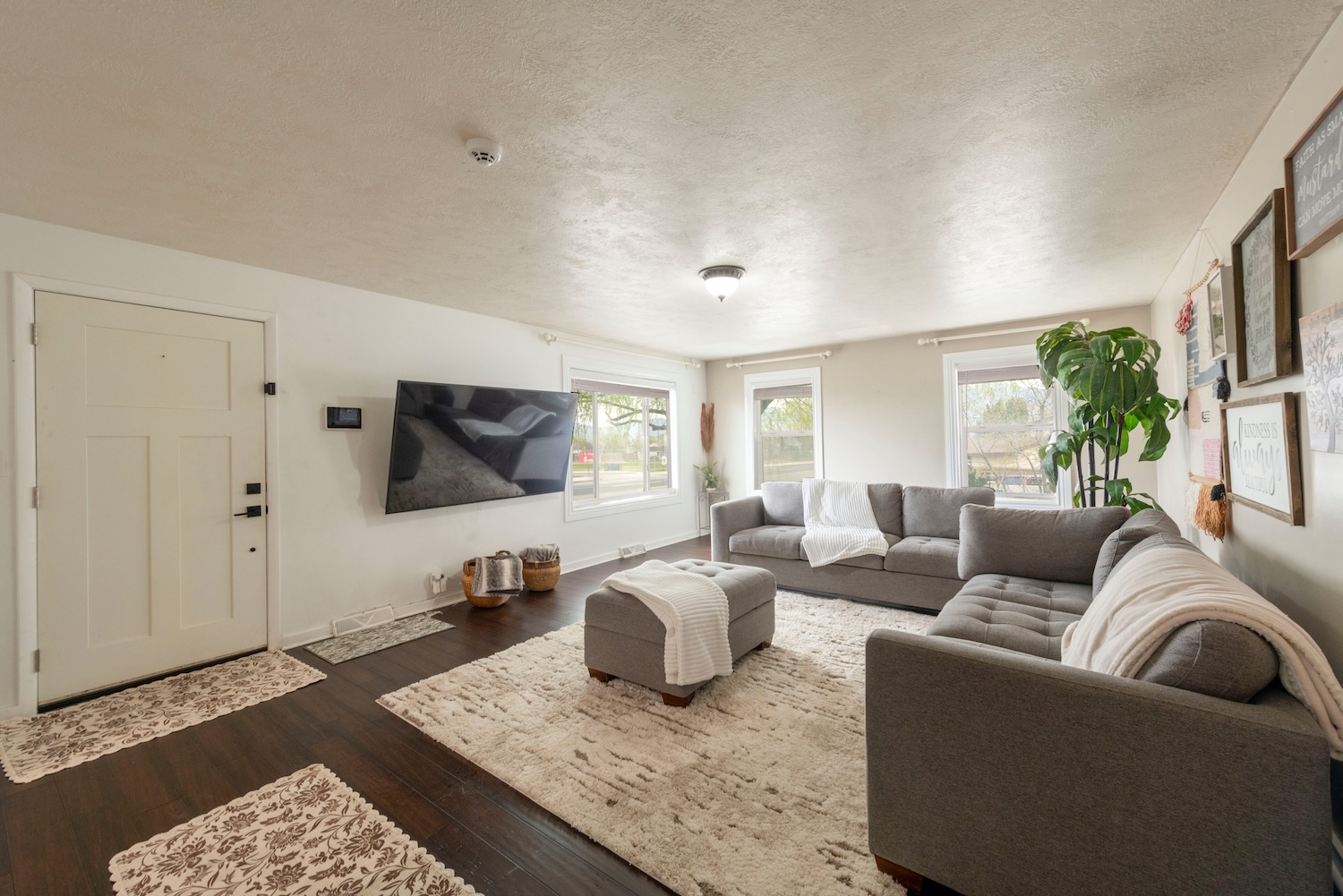
A TV mount that’s screwed into the wall is a fixture and typically stays, even though the television itself is personal property and leaves. This split trips people up constantly: the buyer assumes the whole setup stays, the seller takes the TV and leaves an empty mount and a wall full of cable holes. Spell out that the mount stays and the television doesn’t, or whatever arrangement you’ve actually agreed to.
Security cameras and smart-home devices
Smart-home items are where the old fixture rules get tested the most. A hardwired video doorbell or a wired security system is generally treated as a fixture. A battery-powered camera stuck to the siding, a smart thermostat that can be popped off its base plate, or a smart lock a seller wants to take to their next house—those are murkier. Add to that the fact that many of these devices are tied to the seller’s app account and won’t do the buyer any good without a transfer of ownership or a factory reset. Name each smart device in the contract and note whether the seller will deauthorize accounts and provide login transfer or reset instructions before closing.
Window coverings
Curtains and curtain rods generally follow the fixture rule and stay, since rods are mounted to the wall. But sellers sometimes have custom or expensive drapes they intend to take, and blinds occasionally get removed by mistake during a move. If specific window treatments matter to either side, list them out.
Sheds and hot tubs
A shed on a permanent foundation is usually a fixture. A resin storage shed sitting on the grass with no anchoring may not be. Hot tubs raise the same question: an in-ground or built-in hot tub stays, but a portable, plug-in model is more like an appliance and can go either way, depending on the seller’s plans. Both are big, expensive, and annoying to move — exactly the kind of item that should never be left to assumption.
Put it in writing
None of this needs to turn into a legal debate. The purchase contract has a section for exactly this purpose, and a short, specific list of included and excluded items resolves the ambiguity before it becomes a problem at closing. If you’re a seller, decide early what you’re taking and flag it in the listing. If you’re a buyer, ask about anything you’re picturing yourself using, cameras, appliances, or the hot tub, and get the answer in the contract, not a verbal assurance. A five-minute conversation before you sign beats a dispute after you’ve moved in.
Salt Lake City and You
SLCHomes.com is a great resource to learn more about the city.
SLC Homes helps those considering relocating to SLC in finding a home or condo. Check out our services page to learn more about how we can assist you in this exciting next phase of your life!